

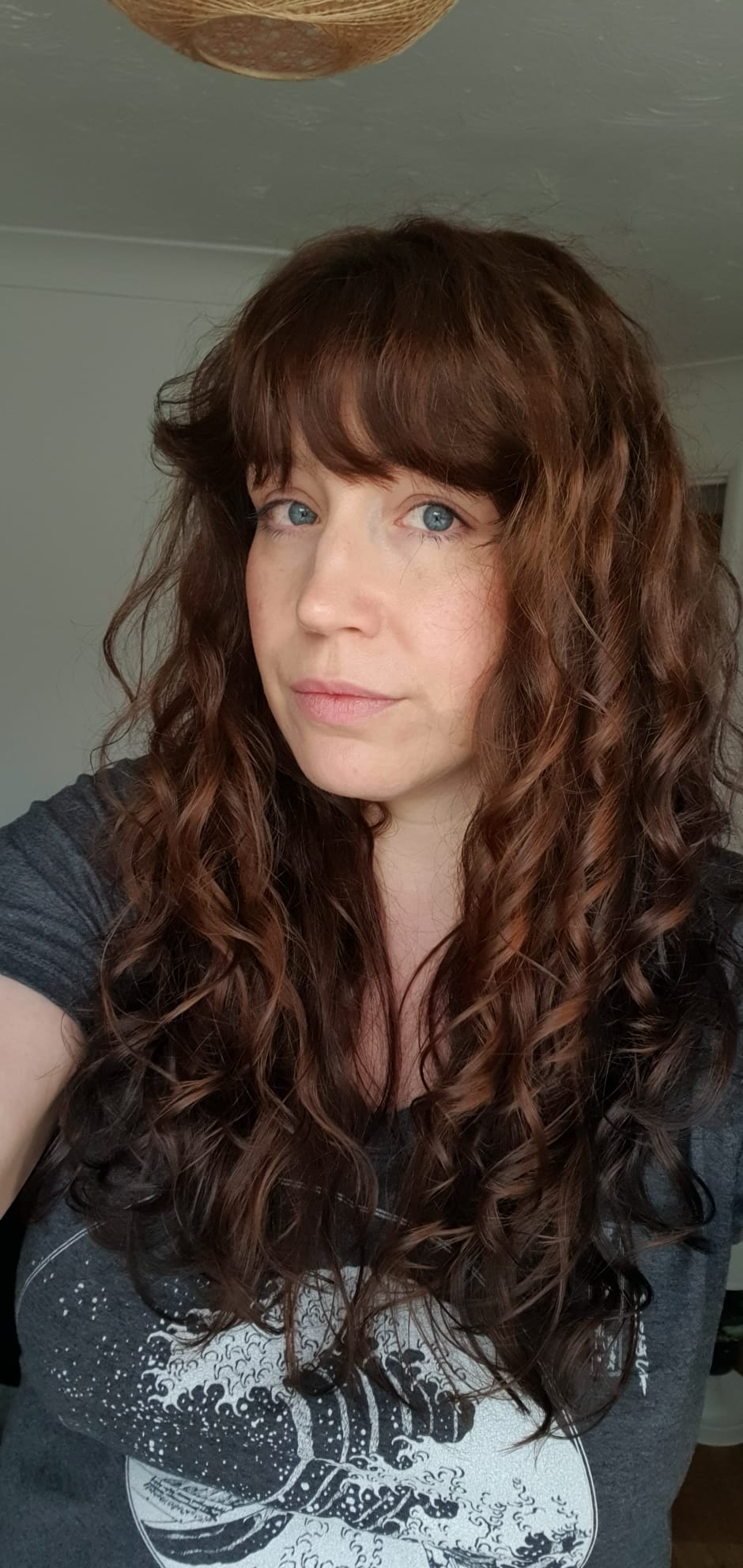
By Jove, I think I’ve done it. Readers, I have so much to report back on. First, let me show you where I’m at right now.
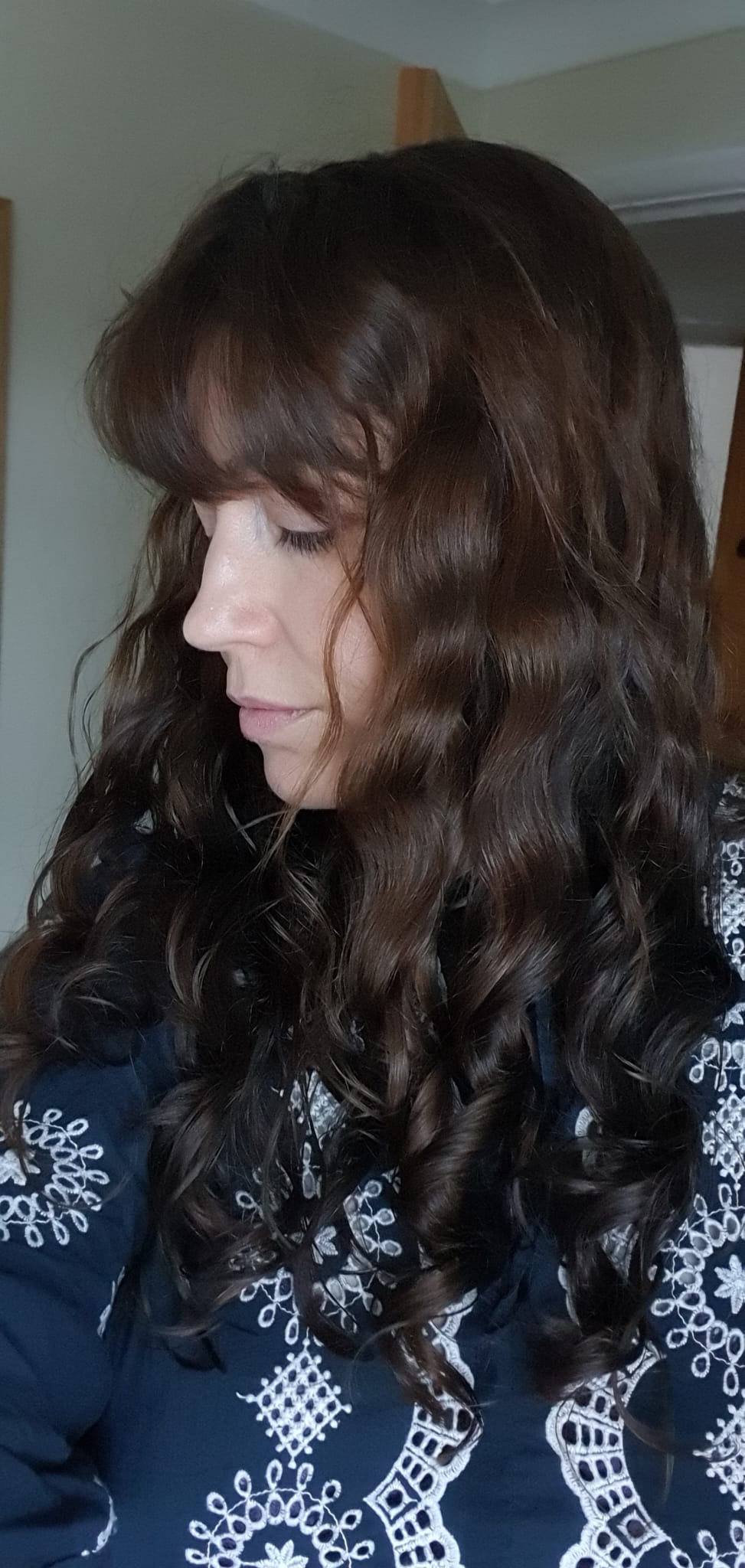

I am getting consistently good hair days AT LAST. Honestly, I wasn’t sure I’d ever see the day. But after several breakthroughs, which I will outline below, I feel as though I have finally cracked it. If I want a good hair day, I am now confident I can have one. Up until recently, consistency was my biggest challenge.
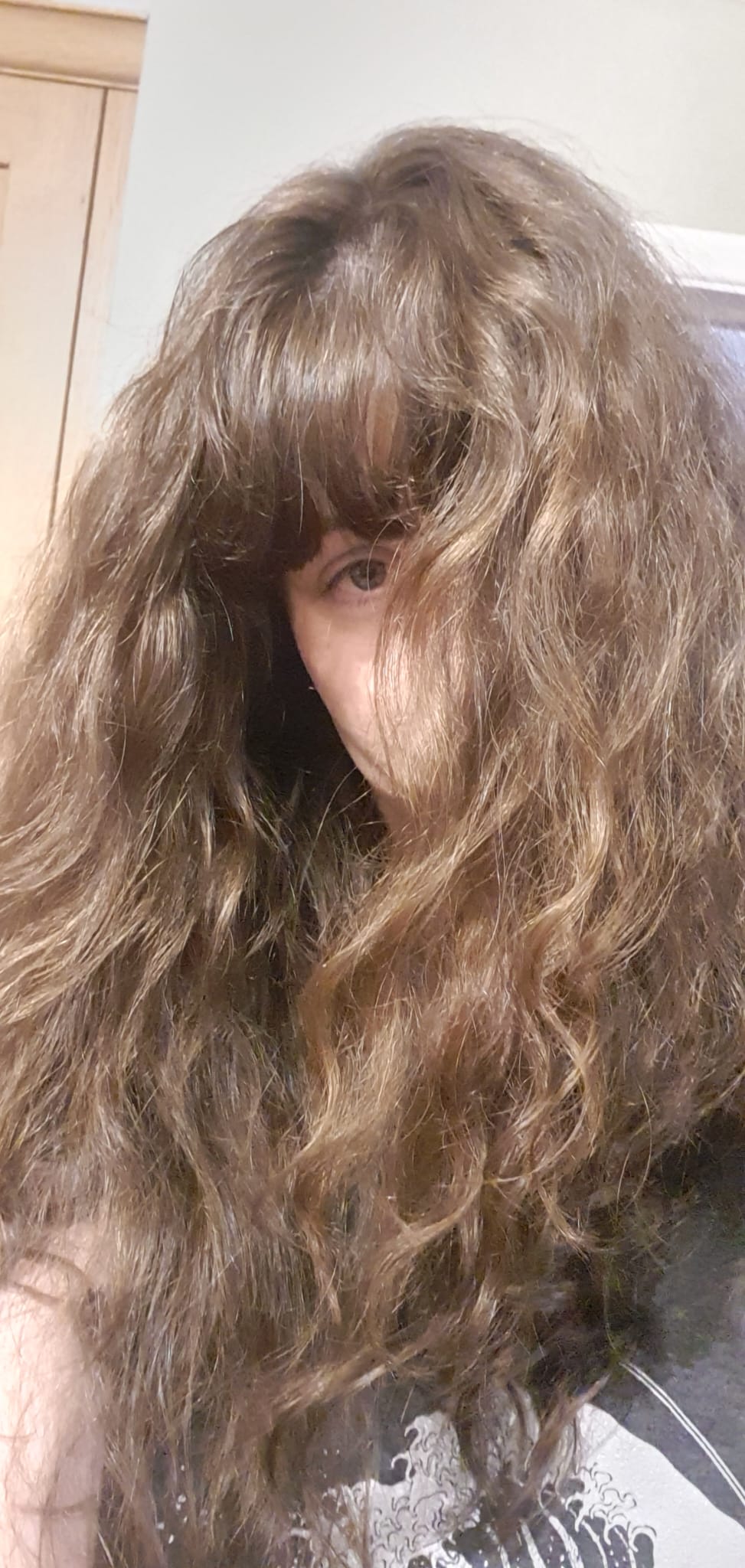
As a reminder, this is where I started back in March 2024…
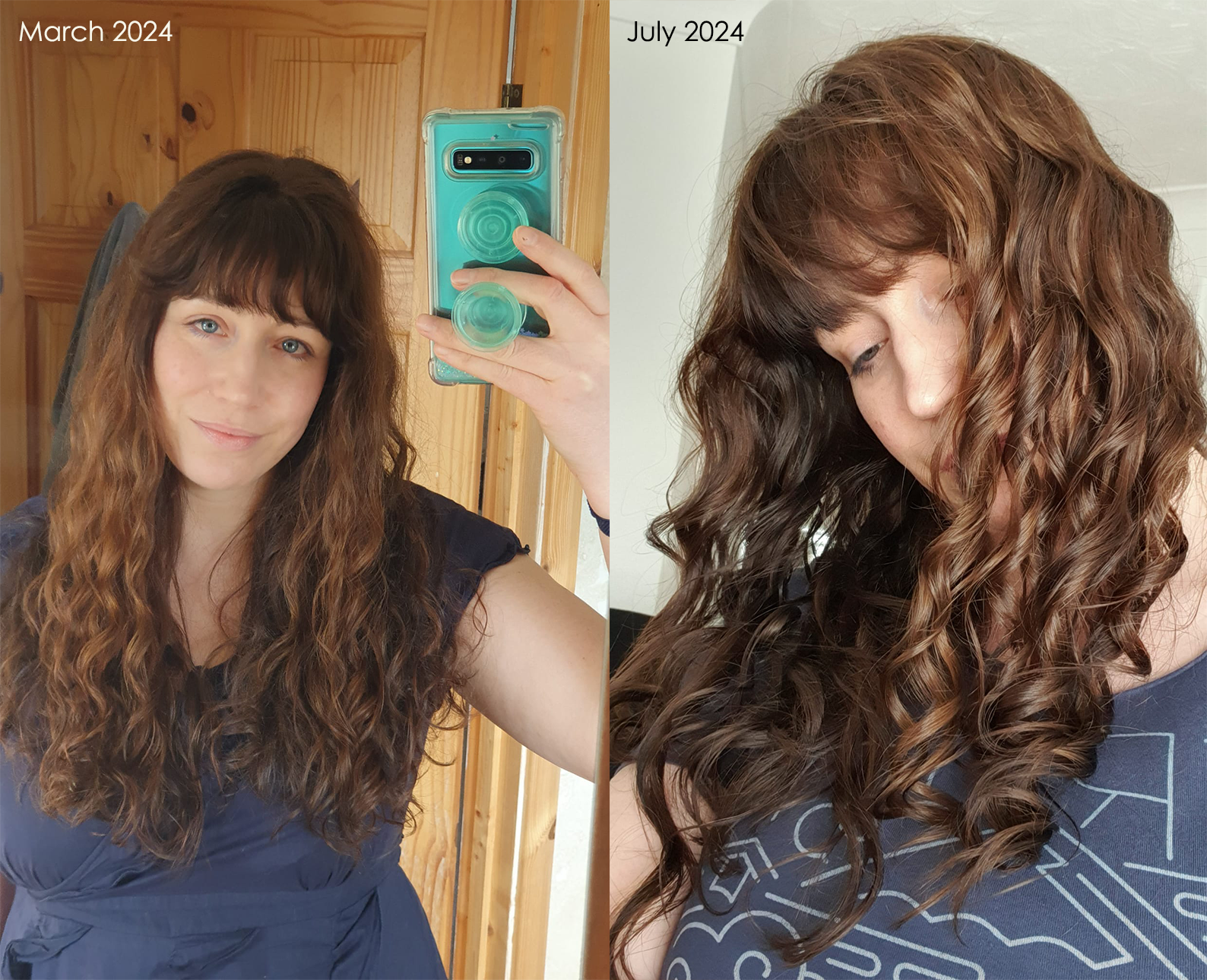
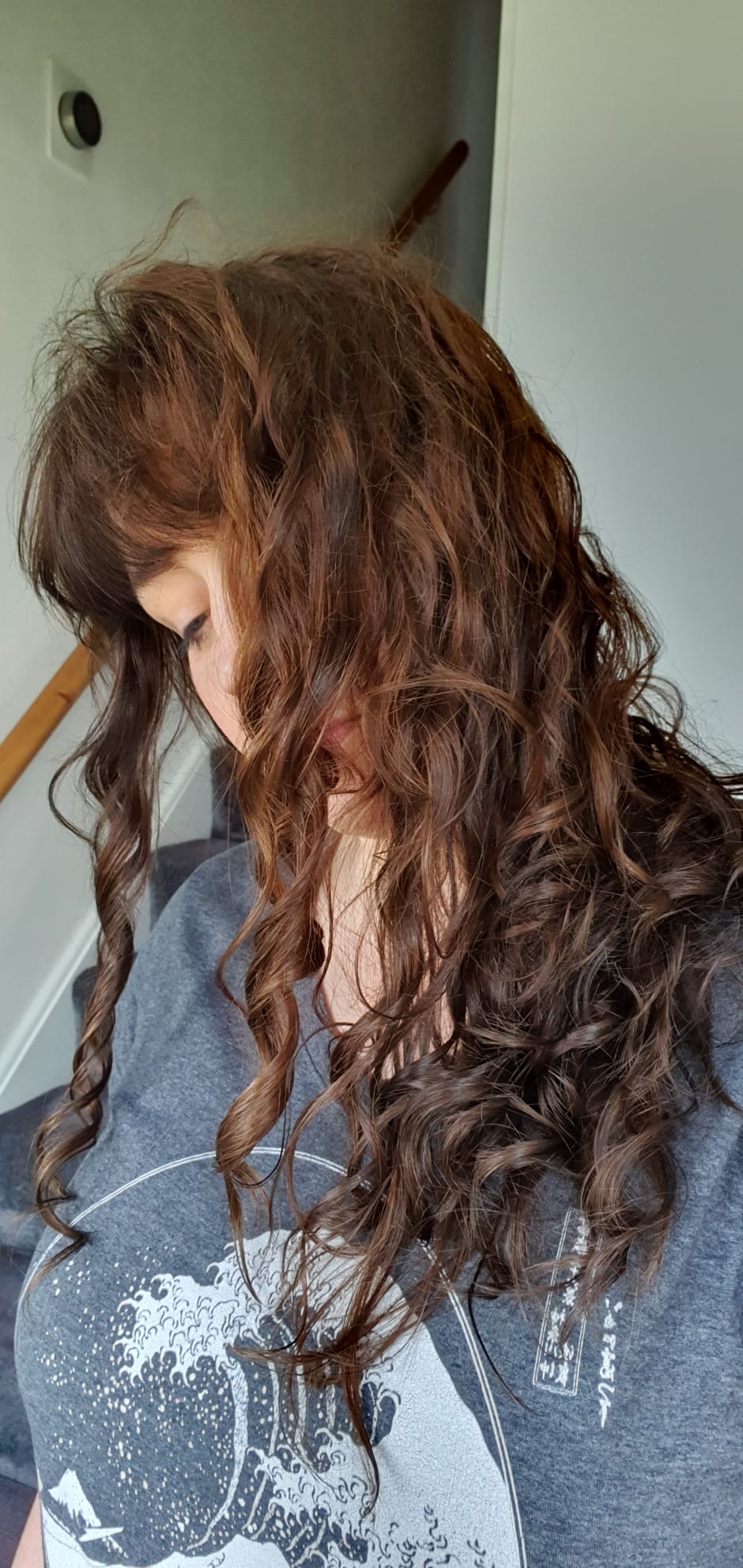
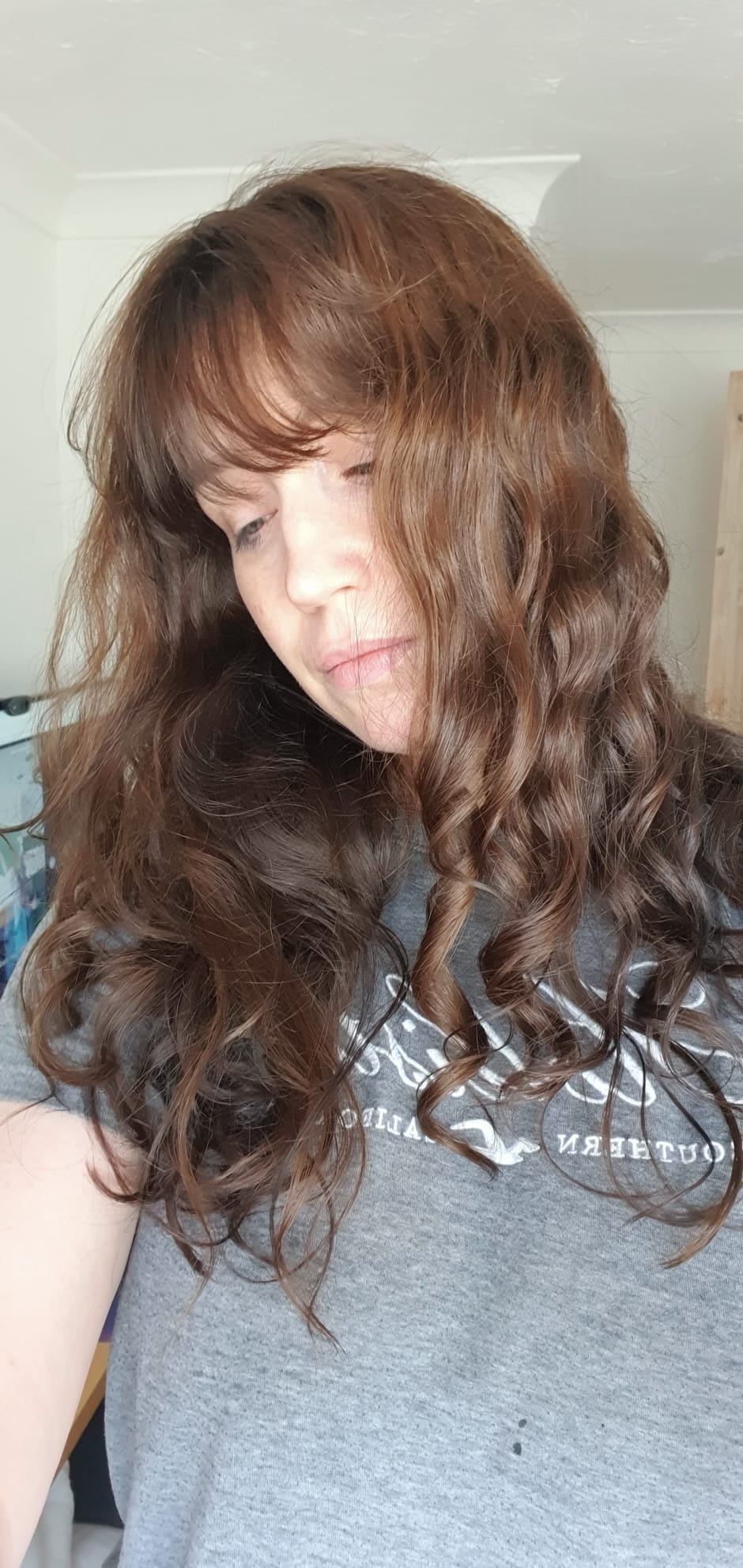
These are some photos from earlier in the year.
My hair type
I have 2c, fine, medium density hair. Medium porosity (as I cover greys) but my hair doesn’t like protein and doesn’t do well with too much moisture (I very rarely deep condition). My hair is balanced, but can lean slightly towards being dry which a co-wash usually fixes. If your hair is like mine, the following product recommendations might work for you, too. As an aside, I wash my hair every 1-2 days because I like that clean feeling, and because after day 2 my scalp is itchy. It’s fine to wash regularly, just make sure you’re not drying out your hair.
Wash day products
I have 3 wash days I cycle through, depending on what my hair needs.
1. This is my CGM-compliant wash day, and the one I default to.
Cleanser: Giovanni 50/50 Balanced Shampoo
Conditioner: Giovanni 50/50 Balanced Conditioner
Leave-in: Giovanni Direct Leave-In
Stylers: Giovanni LA Hold Natural Styling Gel
The shampoo makes my hair and scalp feel nice and clean, and the conditioner is a delight – very conditioning, but not too heavy, and has an amazing marshmallowy texture.
2. When my hair is feeling dry, I plump for a co-wash.
Cleanser: As I Am Co-Wash
Conditioner: Alberto Balsam Raspberry Conditioner
Leave-in: Curlsmith Shine Cream
Stylers: L’Oréal Invisi’Hold Extra Strength Gel
This co-wash is popular for good reason – it’s not too heavy, but it is still cleansing, and it smells amazing. It’s everything you could want in a co-wash. I use the Alberto Balsam conditioner with it, as I don’t need anything more conditioning than that.
The L’Oréal Invisi’Hold gel is my favourite gel of all time – super cheap (£3.50 in Tesco) and usually gives me a decent gel cast where others have failed. It is also glycerin-free (more on this later).
3. I have to clarify regularly, every 2-3 washes, and this is what I opt for:
Pre-wash: Forest & Shore Thrive Oil; I put this on for 10-15 mins before washing, and it helps to prevent my clarifying shampoo from drying out my hair
Cleanser: Garnier Hair Food Papaya Shampoo; the absolute best clarifying shampoo I’ve ever used – contains sulphates that I need in order to properly remove product build-up
Conditioner: Alberto Balsam Raspberry Conditioner (cheap, smells nice, does the job)
Leave-in: Curlsmith Shine Cream (tiny amount; I don’t get a gel cast if I apply too much leave-in)
Stylers: L’Oréal Invisi’Hold Extra Strength Gel
For all of these wash days, I use an oil at the end of the process to scrunch out my gel cast. I absolutely love Umberto Giannini Curl Oil Bond Repair. I use 2 drops to SoTC.
Why so many products?
If you’re wondering why I don’t reduce the amount of products I use by, for example, using the Giovanni shampoo and conditioner with the Curlsmith leave-in and L’Oréal gel, it’s because these products don’t play nicely together. I have tried countless product combinations, and have figured out what works best.
The four essential stages of washing and styling
It’s important to understand the basic washing and styling process. In order, you will need to…
Wash and detangle: shampoo and condition, making sure you brush conditioner through the hair to ensure it’s evenly coated (and detangled). Rinse thoroughly.
Form your curl clumps: while hair is soaking wet, use a brush (you can’t go wrong with the Tangle Teezer for fine hair) to detangle. Add more water to the brush if you need to, for more slip. Then, divide up your hair (I divide mine in half) and apply leave-in (I use a pea sized amount or less for each half of my hair). Brush style (more on this below), then microplop using a pulsing motion (do not aggressively scrunch). Rope and gently scrunch on gel. Microplop again. Gently scrunch in more gel. Then leave hair well alone for 10-15 minutes before diffusing.
Dry your hair: I allow my hair to air dry at first (usually while I’m wearing my husband’s t-shirt) for at least 10 minutes before I use the diffuser. It’s important to diffuse when curls have the structural integrity to withstand it. When I tried hover diffusing immediately after getting out of the bath, I would end up with frizzy hair as the curl clumps would fall apart without having had a chance to set.
Break the gel cast: once your hair is fully dry, you’ll need to scrunch out the gel cast to get those bouncy, shiny curls. You don’t need an oil to do this, but it’s generally recommended especially if you have a strong, crunchy cast. I love the Umberto Giannini Curl Oil because it’s lightweight, adds a lovely shine, tames flyaways and is inexpensive.
On the subject of drying: I love the Curlsmith Defrizzion dryer. I managed to get it in the sale for just over £100 and it’s totally been worth it. Best dryer I’ve ever owned. The hairfluencers seem to love it, too – it’s renowned for being the quickest diffuser on the market.
Brush styling technique
Brush styling (and the correct way to do it): this video says it all.
I use the Tangle Teezer designed for fine hair. Not only does this give me the best results of all the brushes I’ve tried, but it’s also the brush every single hairfluencer seems to use (for good reason, I suspect). If I wanted more volume then I would go for the Bounce Curl brush which gives me smaller curl clumps.
Gentle curl clump formation is key to preventing frizz. I used to scrunch aggressively thinking that’d be sufficient and I would get a lot of frizz as a result. Remember: wet frizz = dry frizz. I was in denial about this for a long time, hoping my hair would magically fix itself during the drying process.
How you dry your hair matters
Curl clump preservation during the drying process is key. A few important things I learned:
- Microplopping with this Curlsmith microfibre towel really reduced my wet frizz (remember: wet frizz = dry frizz). I had been using microfibre towels before, but this one made a huge difference.
- Waiting at least 10 minutes before hover diffusing, so the curl clumps have a chance to set and solidify. This sounds trivial but this simple tweak to my routine made a huge difference.
- Diffusing on high heat, low speed. I’d been diffusing on medium heat, high speed, and in doing so was disturbing my curl clumps, creating frizz in the process. Switching to low speed, high heat made a big difference.
- Touch your curl clumps as little as possible during the drying process.
Bonus tip: a curly friend of mine messaged me a few days ago to say she’d had great success drying her hair in front of the radiator! I’ve yet to try this myself, but I can see why it would work so well, especially in the winter. I hate having wet hair in the cold weather and so the thought of sitting close to a warm radiator and allowing my hair to dry whilst reading my book appeals so much more than diffusing for 20-30 minutes. I will try this and report back, but I have photographic evidence of how good her hair looked as a result of doing this, so I am confident to recommend this rather hygge approach to hair drying.
Silicones
Having said in an earlier post I wasn’t going to return to using silicones, I did a total 180 on this and experimented extensively with them. The TL;DR is that I very rarely use silicones now. In general, these are something I aim to avoid.
Why?
- Build-up. Even if I’m using a well-formulated shampoo and conditioner containing a mix of water soluble and non-water soluble silicones (e.g. Redken’s Acidic Color Gloss shampoo and conditioner) the silicones still build up. The first time I used this shampoo and conditioner combo I was blown away, but subsequent results (a week later) were underwhelming. Silicones add slip, and create a hydrophobic later on the hair shaft. Both of these things will mean that your hair will struggle to form nice, fat curl clumps. You’ll find that your curls might look stringy and separate during drying. This is exactly what I found when I used those products twice in 10 days.
- Hair health. There’s no escaping the fact that silicones create a hydrophobic layer on the hair that will dry your hair out in the long term, impacting curl formation. When I first stopped using silicones, my hair was very dry and I struggled to hydrate and condition my hair. Now my hair has recovered and is balanced, but I have seen first hand how silicones dry out the hair. They can also leave hair greasy, especially with prolonged use. If you’re someone who finds that their hair feels greasy at the end of the day even though you washed that morning, it’ll almost certainly be because you’re using products containing silicones.
When do I use silicones now?
I have an anti frizz serum that contains silicones that I only use in emergencies. Very occasionally I might use the Redken shampoo and conditioner mentioned earlier, but I wouldn’t want to do this more than once every 2-3 months.
How do I get rid of silicone build-up?
You need to wash these out of your hair using sulphates, there’s no avoiding it. When you first start your curly journey you will have to be patient as it’ll take several clarifying wash days to get rid of them. You might find that your hair feels dry and brittle without silicones, and this is because you’re used to the slippery, Teflon feel of them on your hair. But underneath that hydrophobic layer, your hair will have been starved of moisture.
Glycerin
This was a major breakthrough for me. I’d read about people cutting out this ingredient from their routine, and when I finally did it, I got the most incredible results.

My hair doesn’t like glycerin. And, as it happens, glycerin is a tricky ingredient. It works only within a certain humidity range, for starters. I have medium/high porosity hair, which means my hair gets wet and dries quickly (which I’m honestly glad of). Some medium/high porosity hair can struggle with glycerin, especially in very dry or humid environments. This is because glycerin is a humectant. In very dry climates, it’ll pull the water from your hair and dump it into the air, drying out your hair. In very humid environments, it’ll pull the water from the air and push it into your hair, ruining your curls and giving you a fluffy look.
I was using the Umberto Giannini Curl Jelly for a time, but found in the summer it was drying out my hair. I tried the well-reviewed Curlsmith Shine level 9 stronghold gel and experienced flash drying, after which my hair formed crispy, thin, wavy strands and looked absolutely terrible. I had to rewash my hair after using any gel containing high levels of glycerin.
When I switched to the (glycerin-free) Giovanni LA Hold gel, everything changed. I also adore the L’Oréal Invisi’Hold level 8 stronghold gel which doesn’t contain glycerin, either. If you’re finding that, no matter what you do, you’re still getting quite a lot of fluff and frizz, try cutting out glycerin.
Garnier have changed their Hair Food formula
Earlier this year, Garnier decided to add shea butter to its 3-in-1 mask. This was a huge blow as I’d been getting excellent results with this, and then was baffled when suddenly I wasn’t. Some research showed that they’d changed the formula as well as the packaging (I contacted Garnier, who confirmed the change), and now these products don’t work for my hair because the shea butter is too heavy. Thankfully, I’ve since found better products, but for a while this was a real blow and felt like a massive step back.
Product recommendations
As well as my wash day products mentioned above, I also love…
The Curlsmith Flawless Finish Flexible Hold hairspray. This adds quite a lot of grit and texture, so I only use this if I’m going out for the day and I want my curls to remain intact. But it is very effective, and it actually adds definition which is useful if I’ve had a less-than-perfect wash day. I find I want to wash my hair the day after using this, simply because I don’t love the texture, but it’s great on the day and smells lovely too.
I’m a fan of Umberto Giannini’s No More Frizz serum HOWEVER it is important to note that this contains silicones. I rarely use this product, but having it on standby when I screw up a wash day gives me huge peace of mind. This is for hair emergencies only, as the silicones have to be removed using sulphates, and your hair might need several washes before those silicones are completely gone. I only use this when really desperate, and I have to clarify afterwards. My hair does feel slippery after application, like it’s been coated in Teflon, which I don’t love BUT it does fix the frizz problem. If I need to be somewhere and look half-decent, it’s nice to know I can lean on this if I have to. It is incredibly effective.
Final thoughts
I appreciate that if you’re new to the curly hair journey, the information above might feel incredibly overwhelming. Figuring out one’s naturally curly hair takes a lot of time – months or even years. THIS IS NORMAL. It takes a while for our hair to remember its curl pattern, and most of us had been using silicones which take a while to wash out of our hair. A transition stage is normal, and you’ll find during this period that your hair is particularly unpredictable. Don’t worry. And also, don’t be afraid to take a break if you need to. I went through months of bad hair days, when every wash day resulted in disappointment. When I lost patience with my hair, I stopped styling but continued using silicone-free shampoo and conditioner. When I resumed my styling attempts, I wasn’t having to contend with silicone build-up.
I could fill a blog post full of photos of my bad hair days, and I’ve had to come to terms with the fact that if I don’t style my hair, it is fluffy by default (people who have naturally straight hair simply don’t experience this). The path to success has been long and arduous. But I am there, at last, and now my curly hair feels like an unexpected midlife gift.









 In Love With Colour